
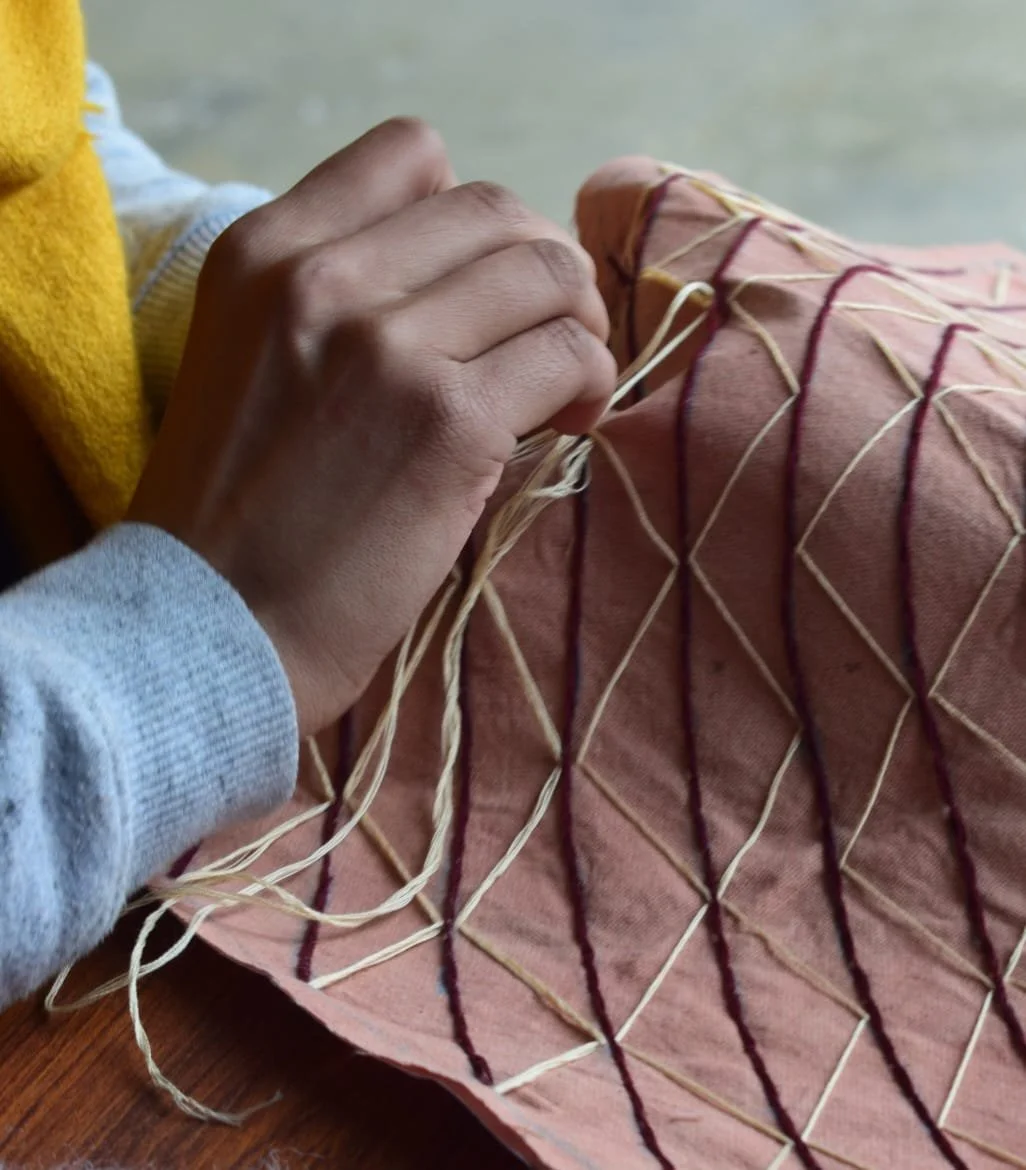
Ecologies of Making
Empowering Women Artisans Through Sustainable Craft & Collaboration
In collaboration with Indus Arte and supported by the British Council Pakistan
Pakistan is internationally renowned for its textile industry and cotton production, yet its equally rich tradition of handicrafts remains largely overlooked. Rooted in the country's informal cottage industry, the craft sector has long provided livelihoods for communities across Pakistan, particularly women artisans. Despite possessing exceptional traditional skills passed down through generations, many artisans have limited access to training, product development, business support, and market opportunities. While competing against inexpensive, machine-made alternatives produced by the fast-fashion industry.
Ecologies of Making: Green Practices for a Sustainable Craft Eco-system was conceived in response to these challenges. Rather than competing with fast fashion, the project sought to create an alternative platform that celebrates the cultural, environmental, and economic value of handmade textiles while empowering women artisans through education, collaboration, and sustainable making practices.
Implemented through the support of the British Council, the project worked with regional artisanal networks in and around Islamabad, combining traditional craft knowledge with contemporary approaches to sustainable production. Through workshops, knowledge exchange, exhibitions, and open-access educational resources, it aimed not only to strengthen the skills of women artisans but also to foster a more resilient and environmentally conscious craft ecosystem.
YOUTUBE: @Indusarteofficial
INSTAGRAM: @Indusarteofficial
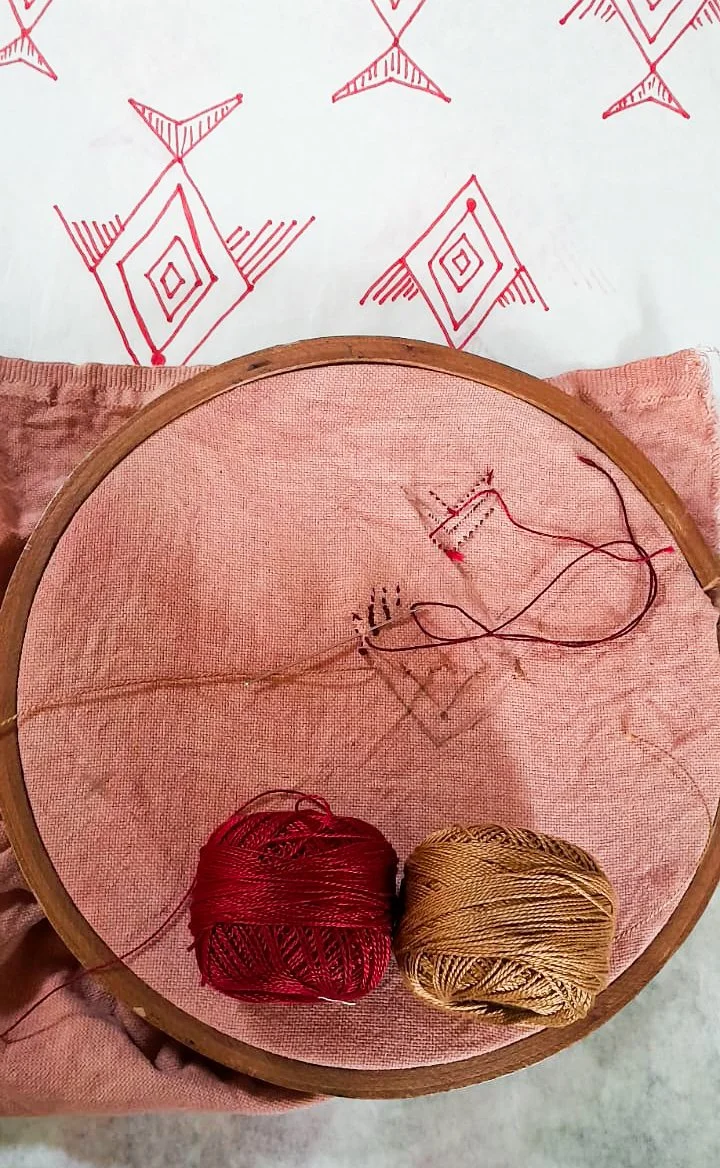
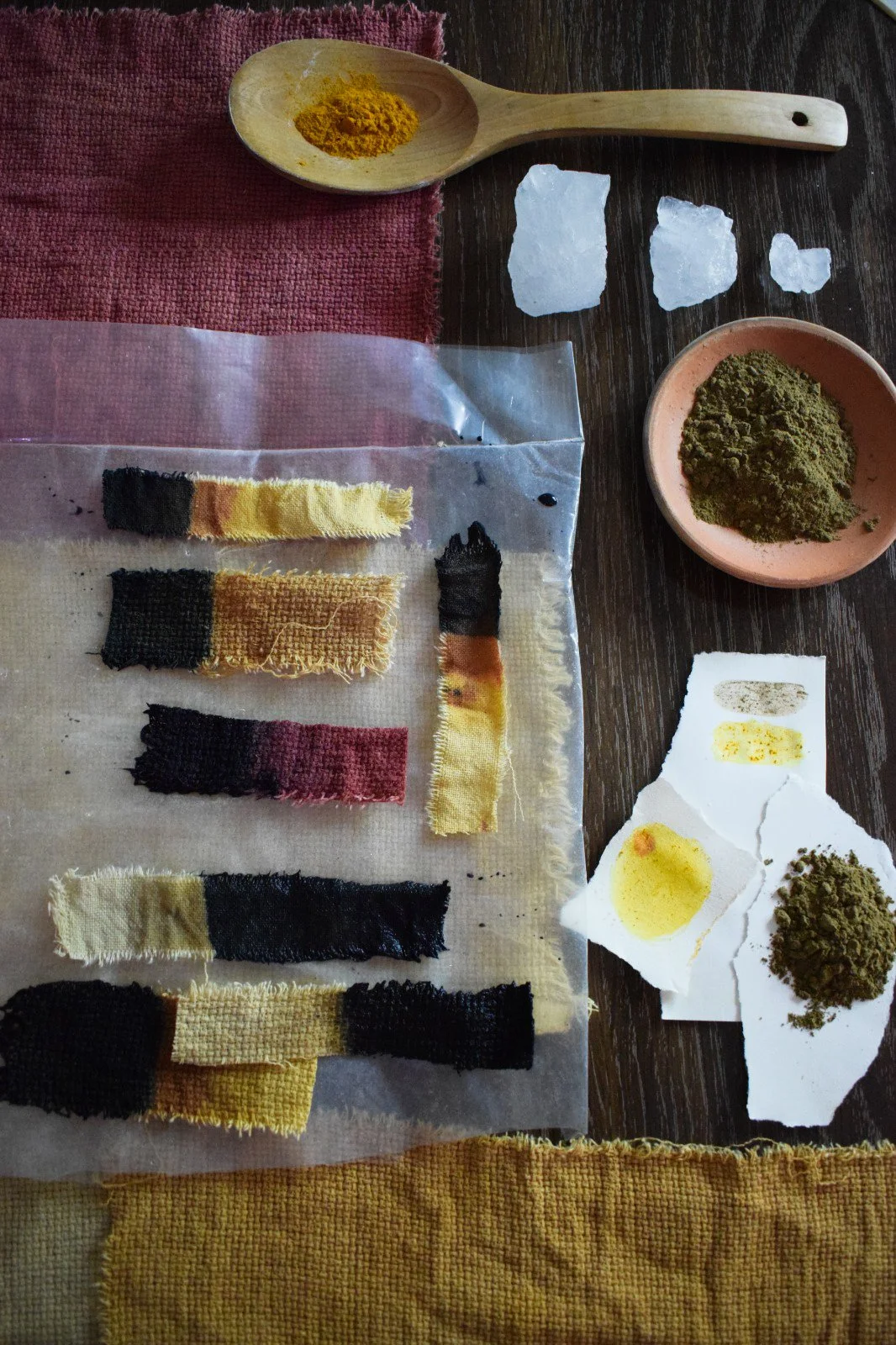
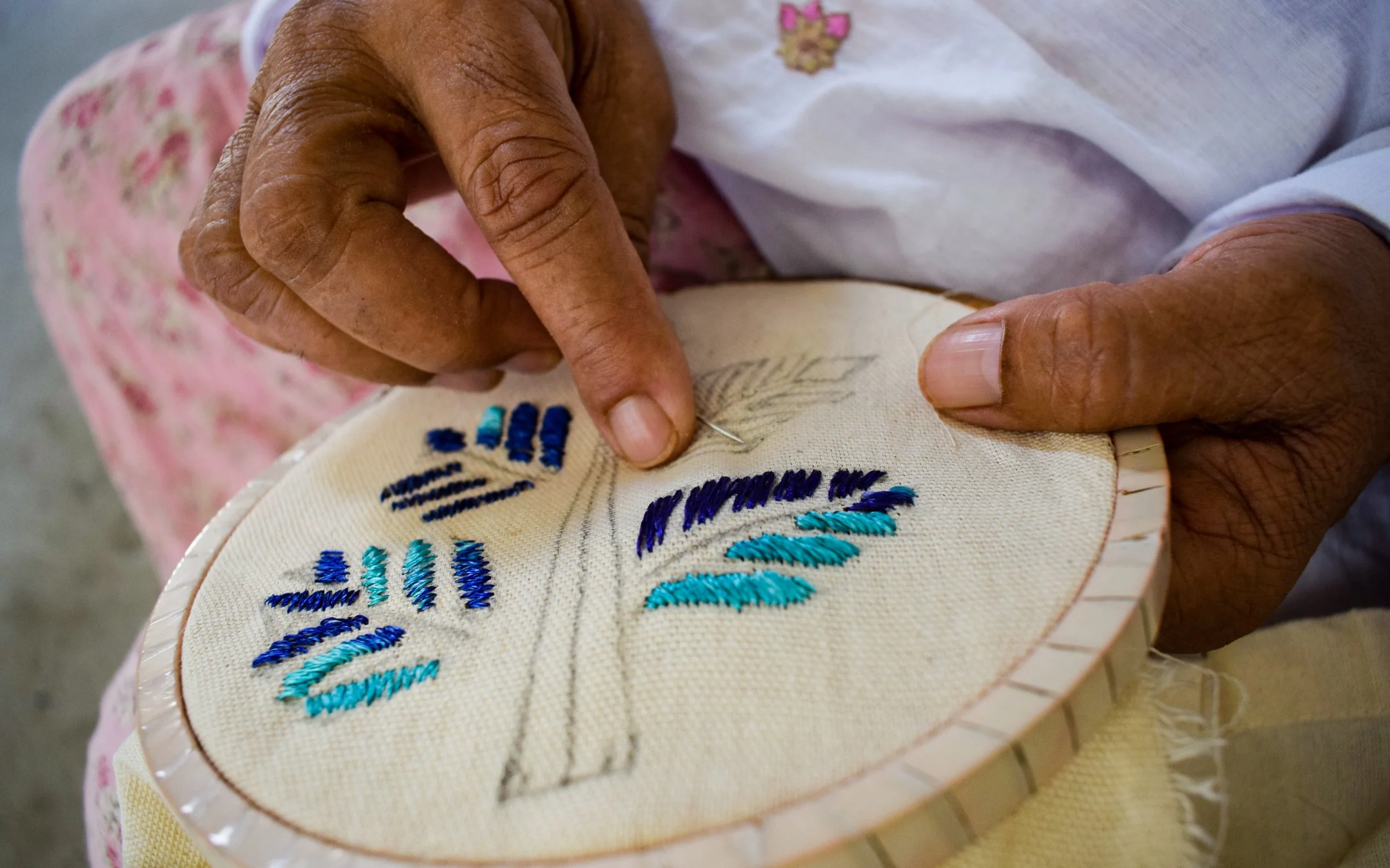
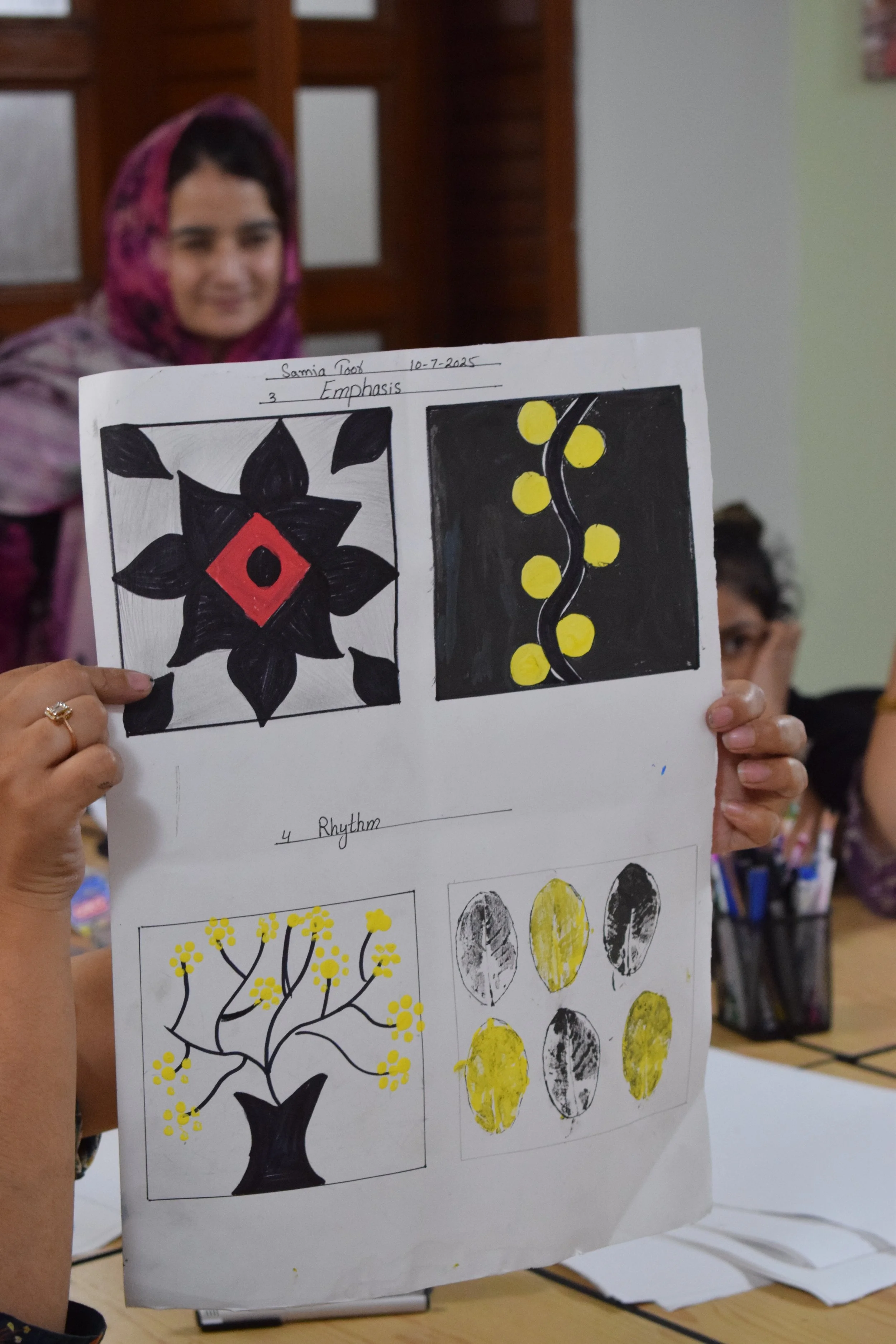
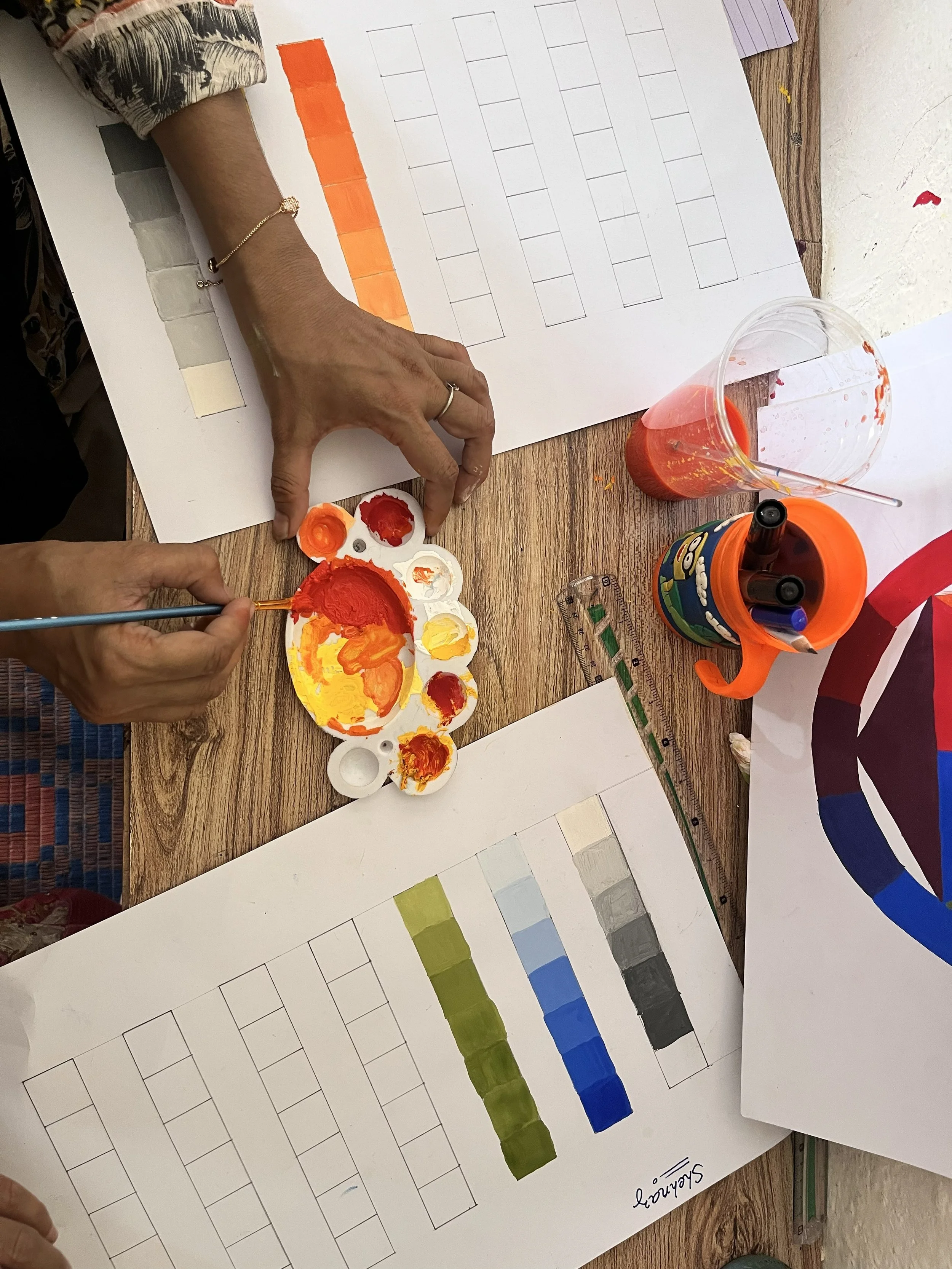
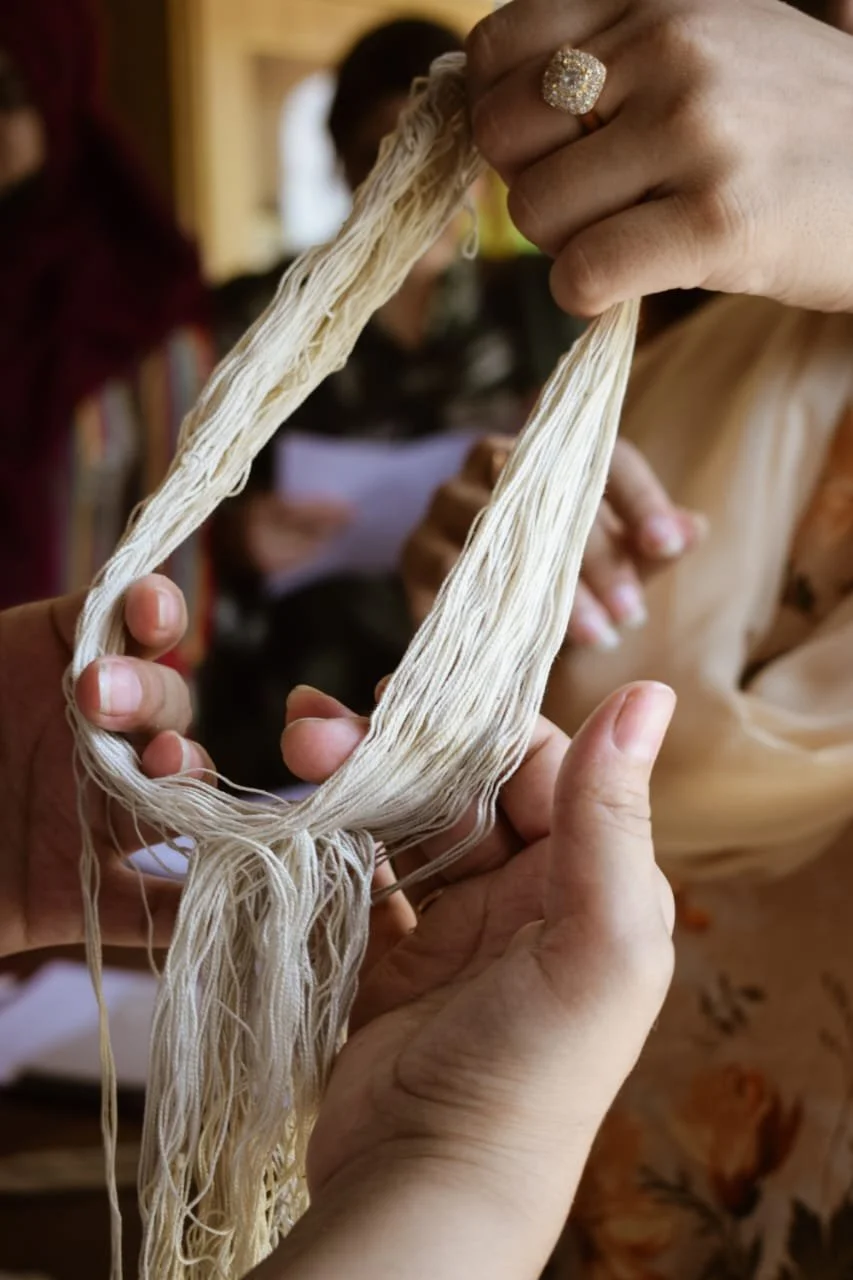
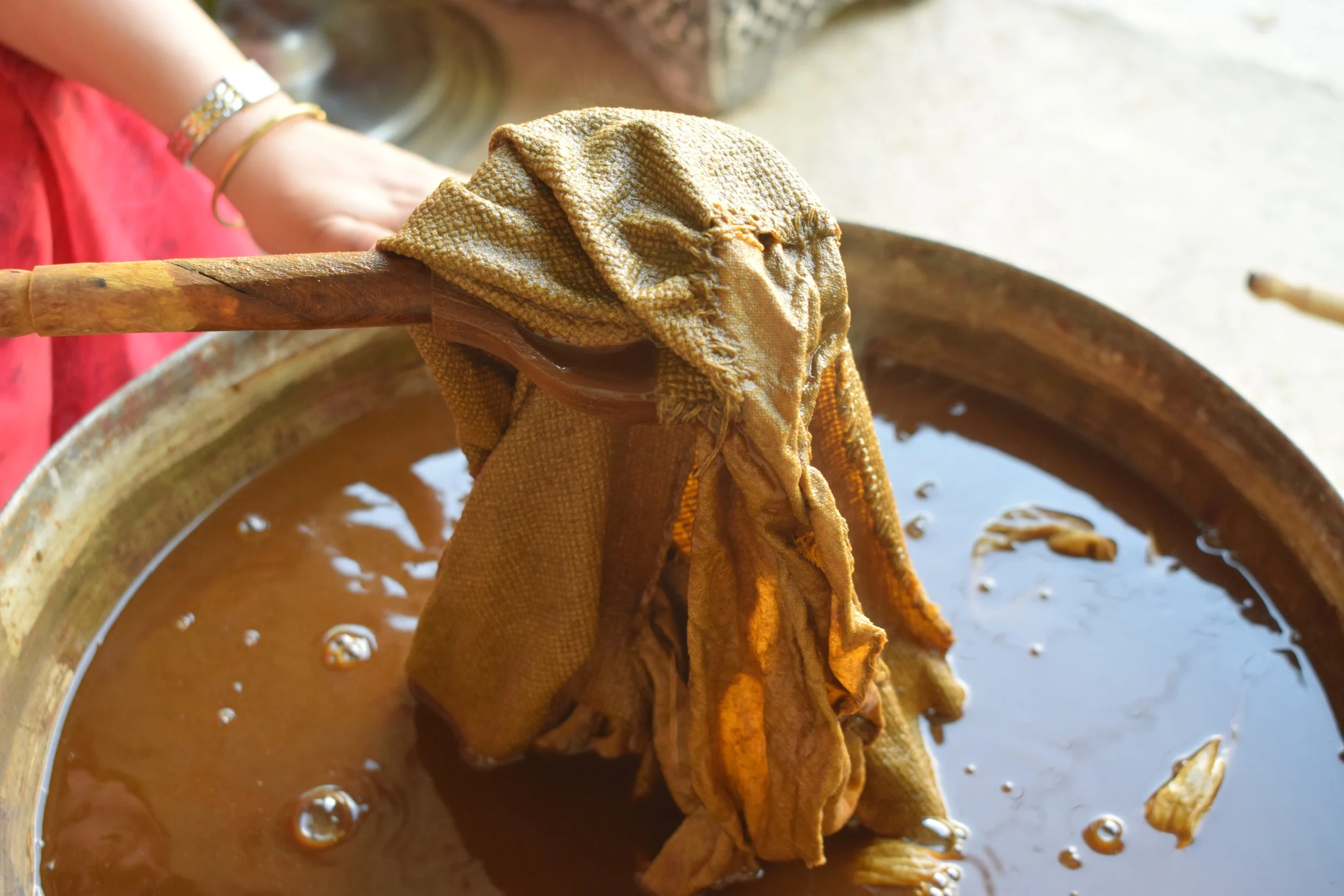
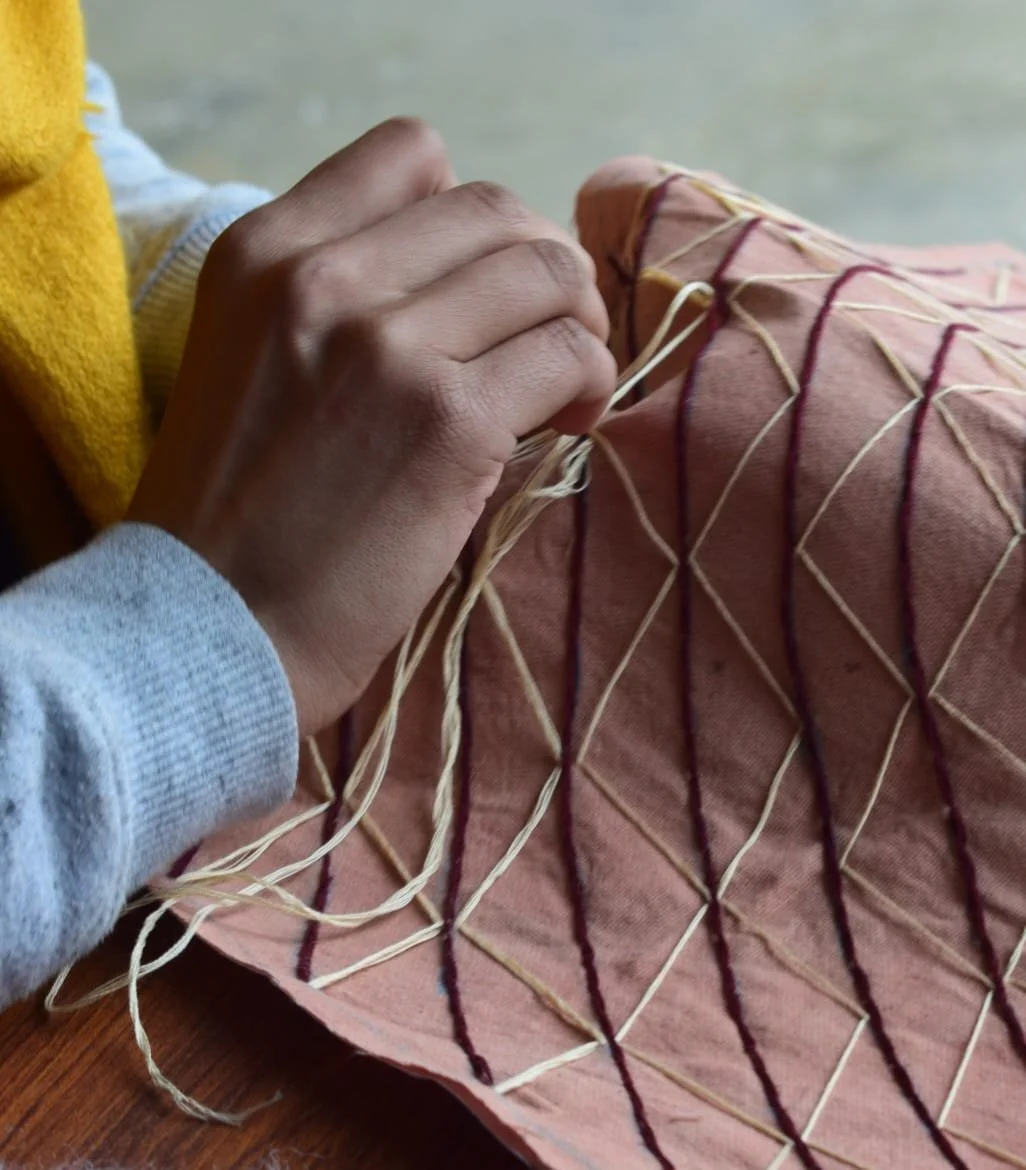
Building Skills Through Training and Capacity Development
The project was built around two complementary objectives. The first focused on strengthening the capacities of women artisans through practical, hands-on training, while the second promoted dialogue between artisans, designers, academics, and makers to encourage greater awareness of sustainable craft practices.
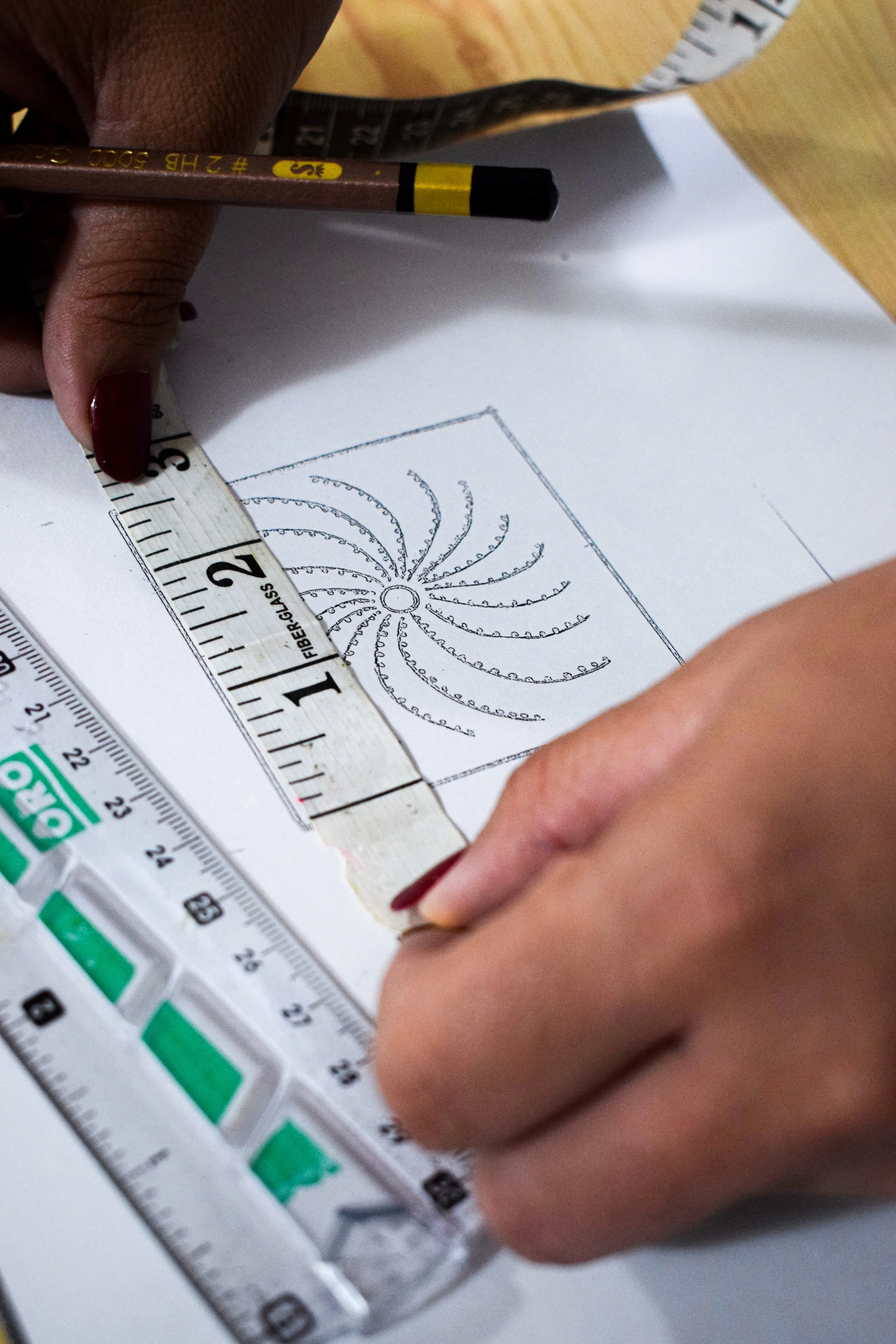
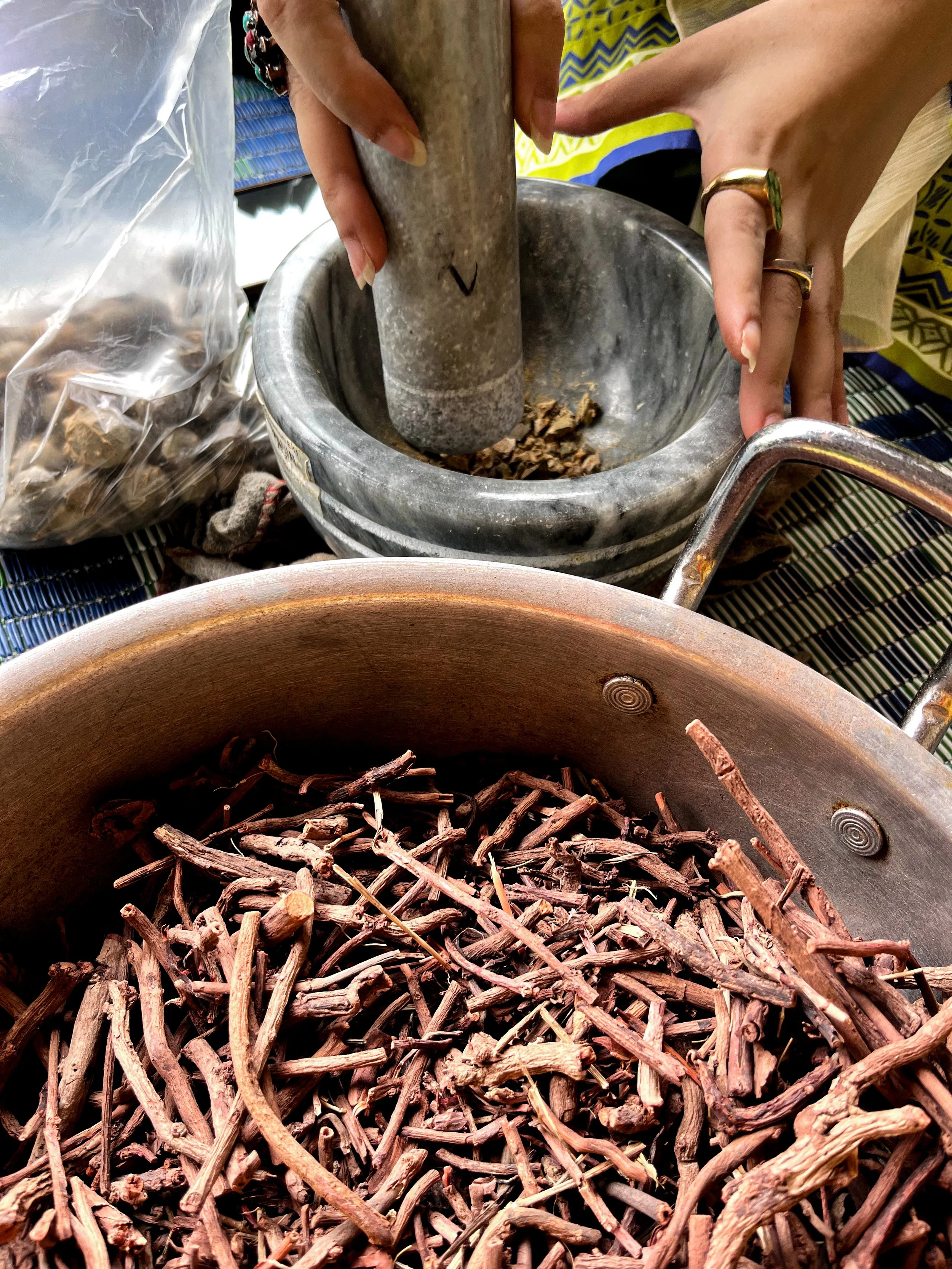
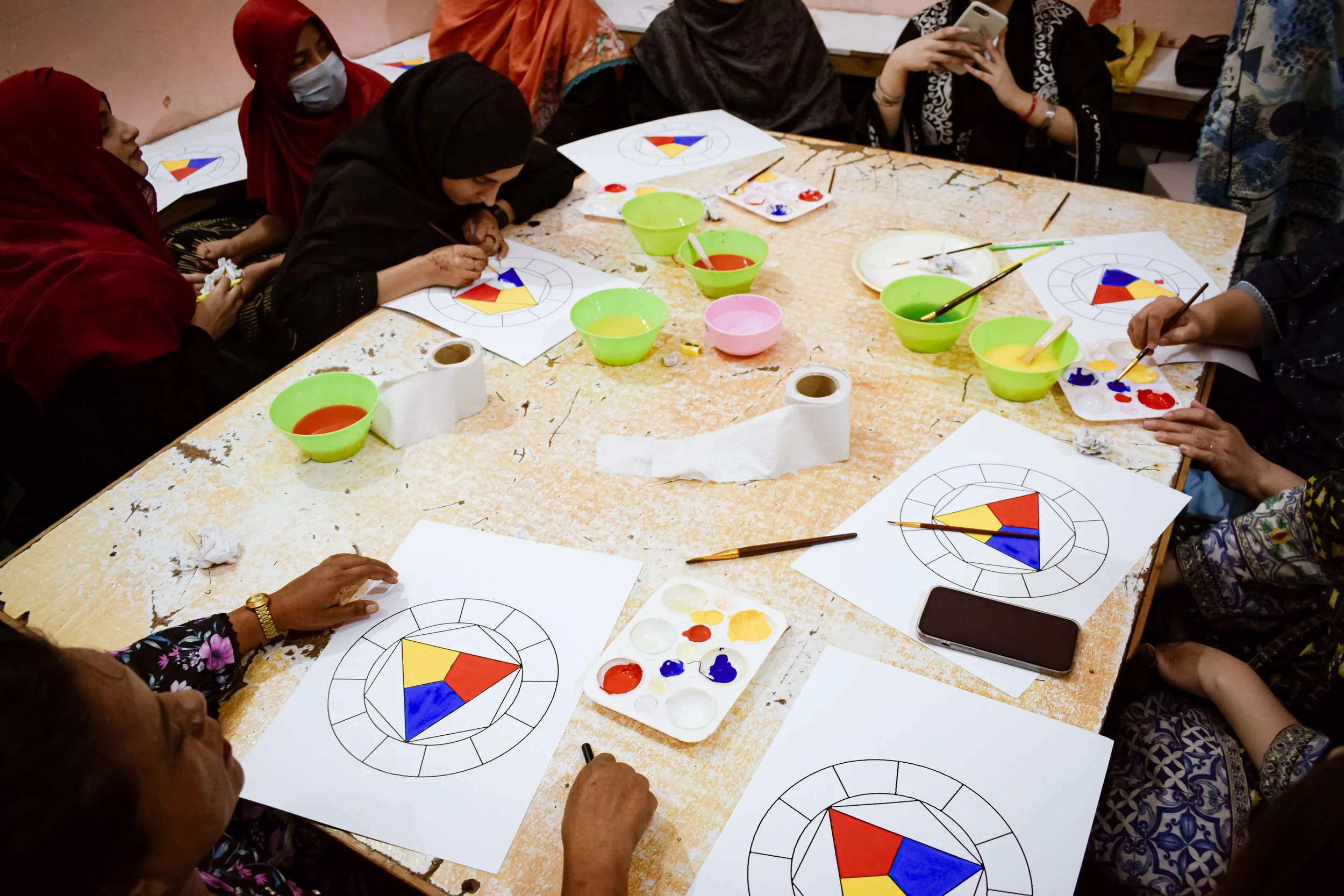
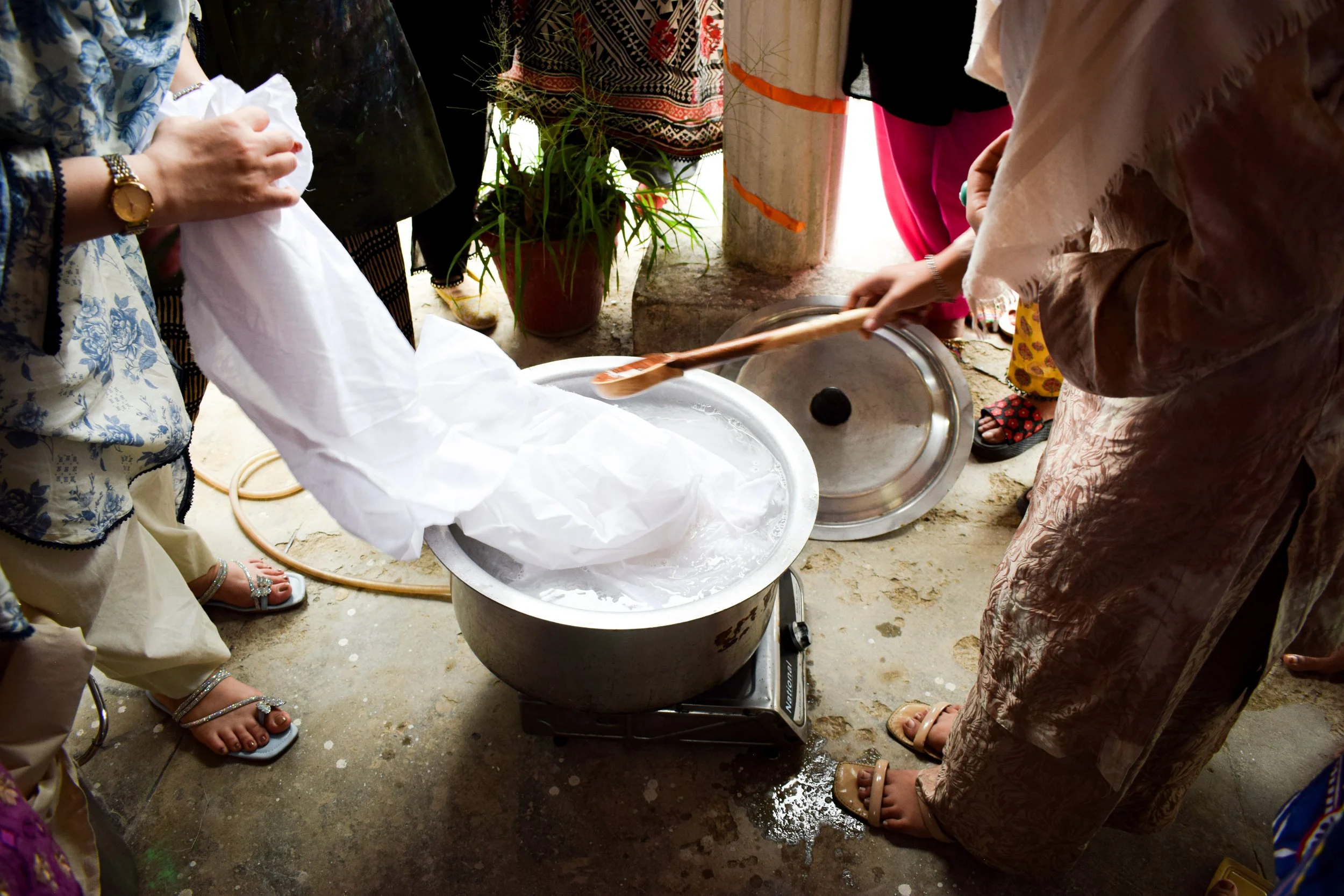
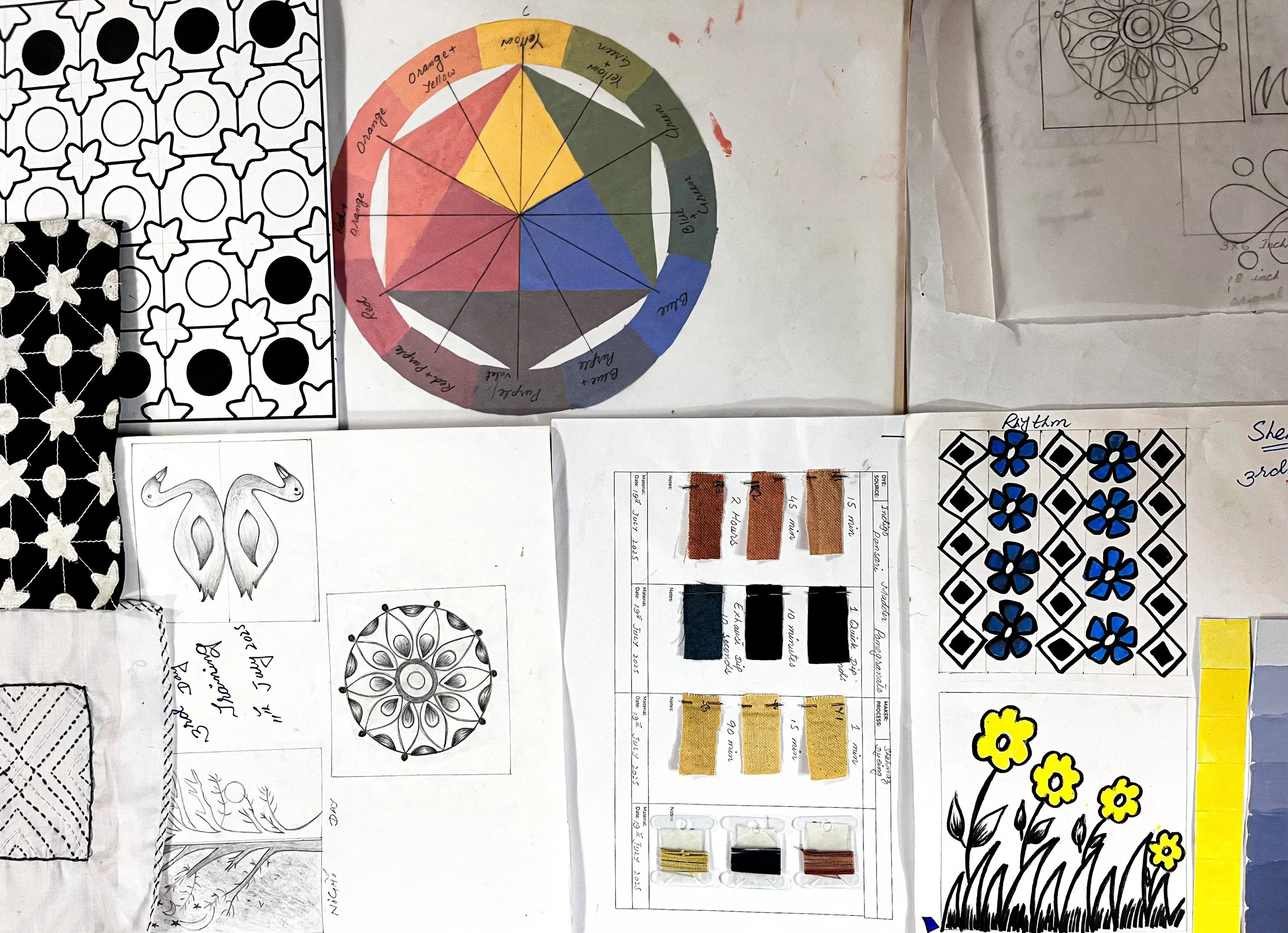
The first phase consisted of seven-day workshops held in Haripur (Khyber Pakhtunkhwa), Golra (Islamabad), and Pirwadhai (Rawalpindi), bringing together 63 women artisans. The workshops addressed key gaps in artisan development through training in design thinking, product development, packaging, natural dyeing, and carbon footprint calculations. Sustainability resources were developed in collaboration with MAKE Southwest's Green Maker Initiative (GMI), enabling participants to understand contemporary design trends while creating market-ready products through environmentally responsible processes.
The project collaborated with women-led organisations, including the local NGO SPARC and home-based Phulkari artisan groups, working primarily with women from low-income and marginalized communities. By combining traditional skills with new knowledge, the programme helped artisans improve product quality, functionality, and presentation while strengthening their confidence and economic opportunities.
Creating Dialogue Through Knowledge Exchange
Beyond artisan training, the project brought together students, academics, designers, and creative practitioners in a one-day seminar, Voices in Making: A Knowledge Exchange by Green Maker Initiative, organised in collaboration with MAKE Southwest (UK) and the National College of Arts, Rawalpindi.
The seminar explored environmentally conscious textile practices and sustainable craft making through interactive discussions with UK-based practitioners Vicky Putler of Flax Project C.I.C. and Charlotte Martin of Fruitbat Textiles, both members of the Green Maker Initiative, offered valuable international perspectives.
More than an academic event, the seminar became a platform for rethinking how sustainability can be integrated into design education in Pakistan. It challenged conventional production models and encouraged emerging designers to rethink conventional approaches to making and embrace slow, and environmentally conscious practices rather than purely commercial production models.



Showcasing Collective Learning
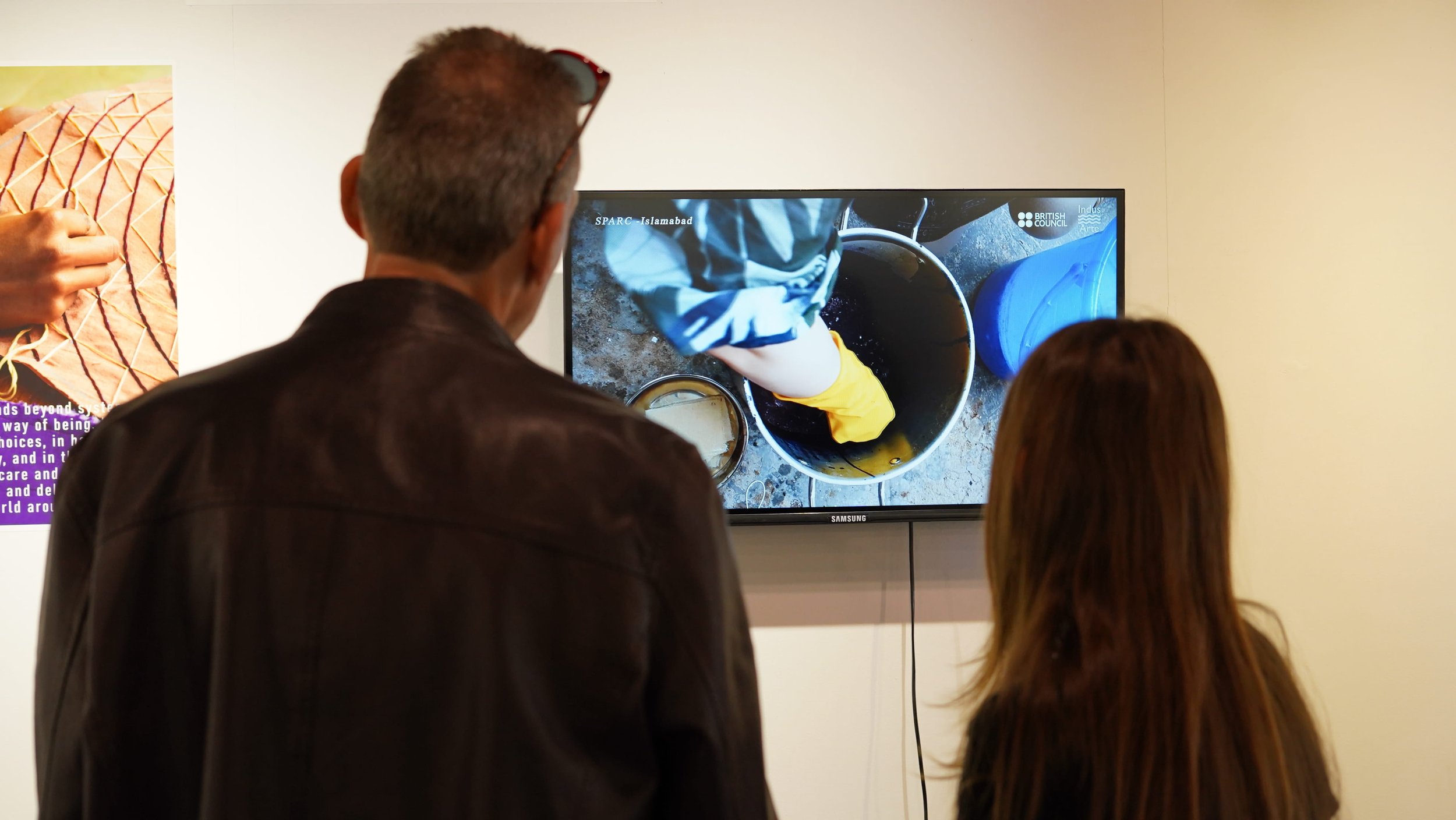
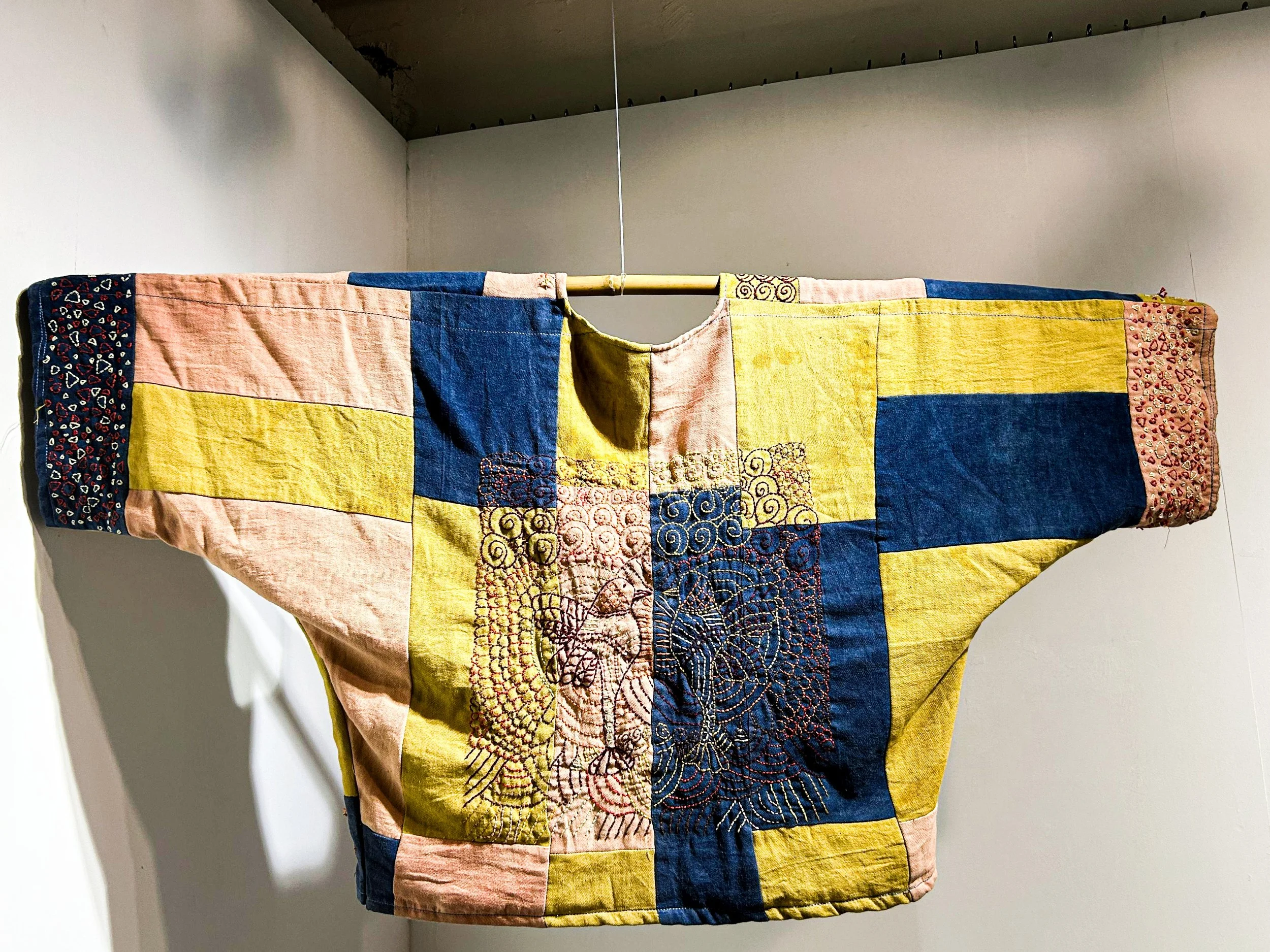
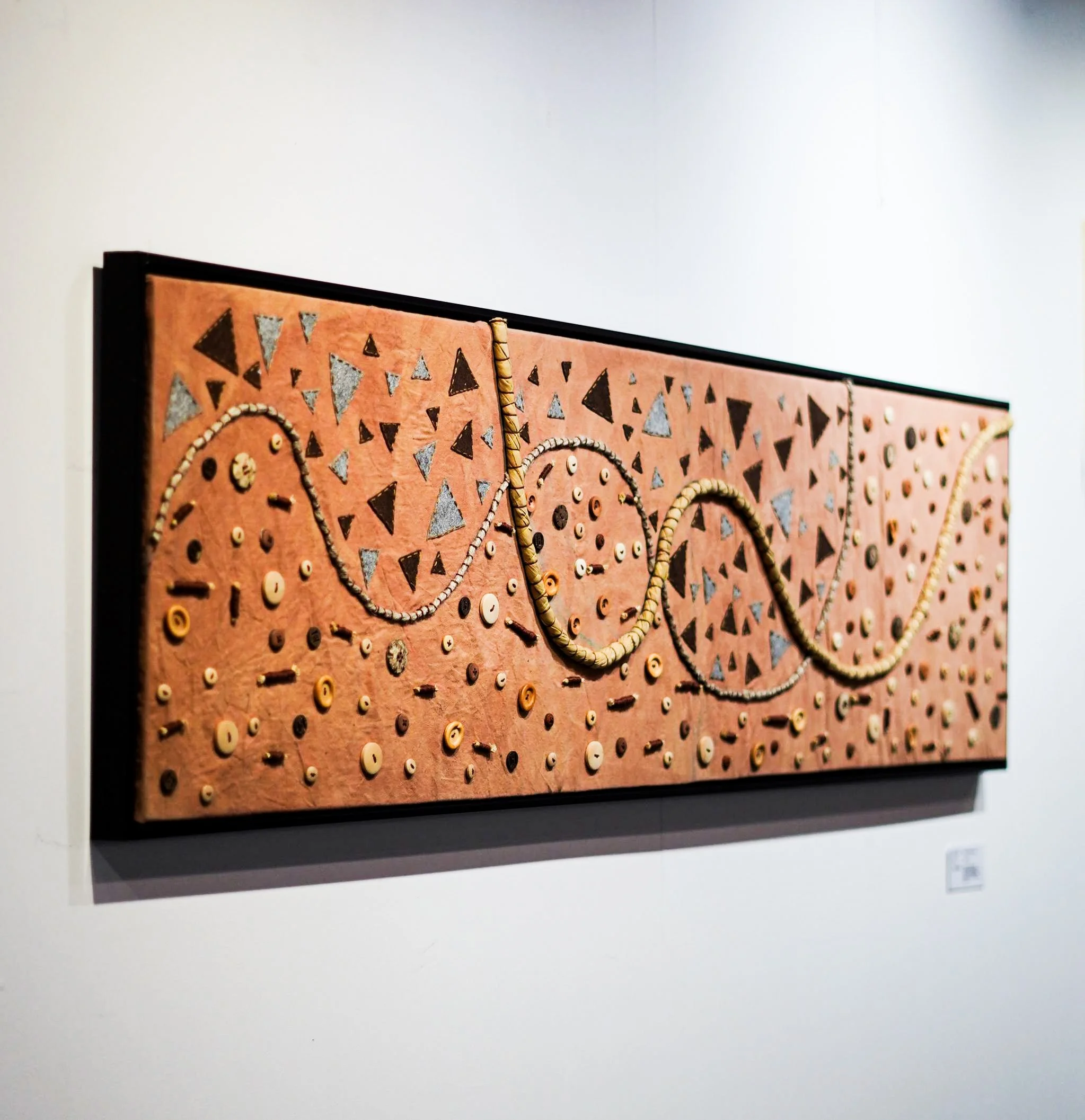
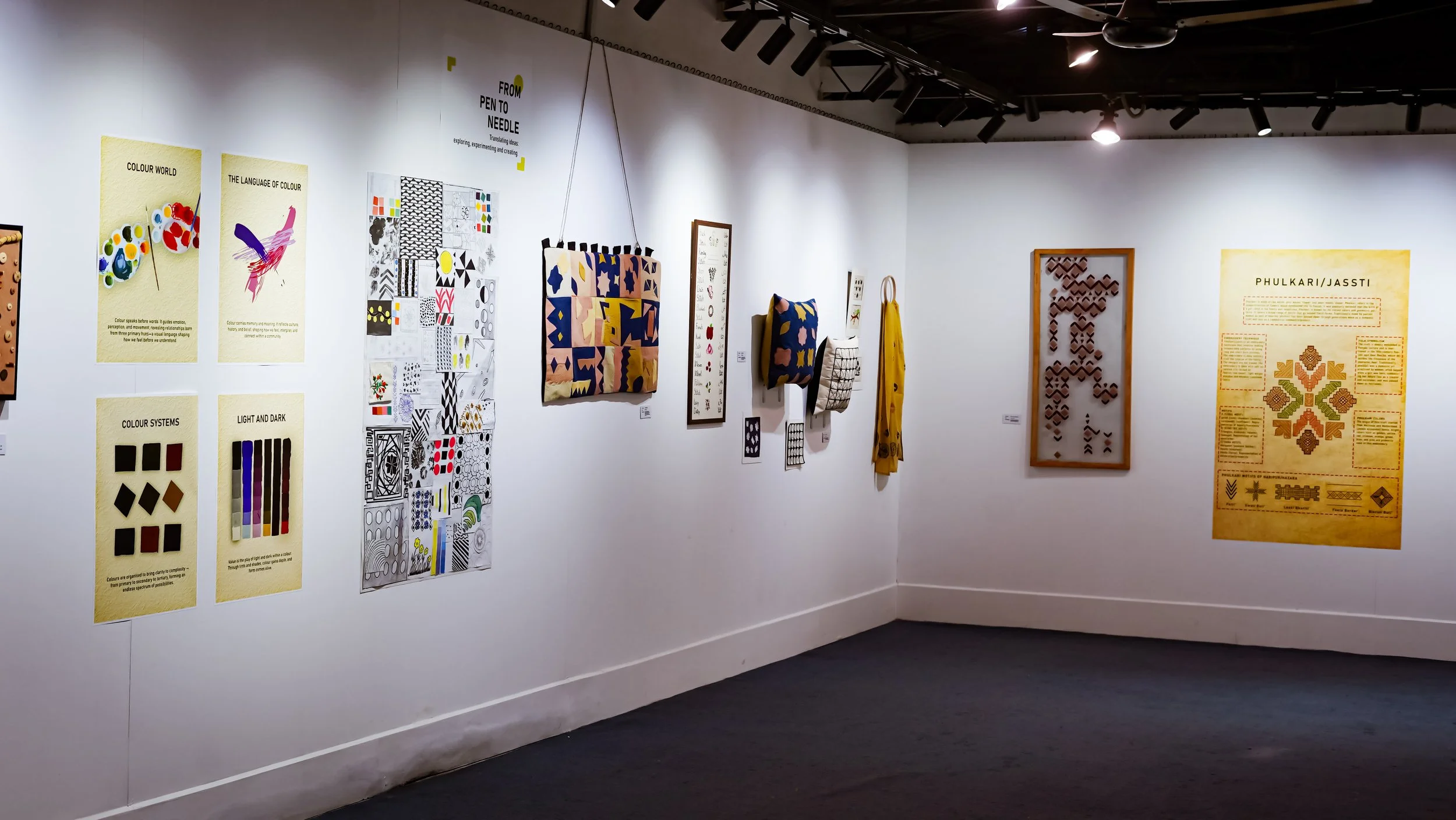
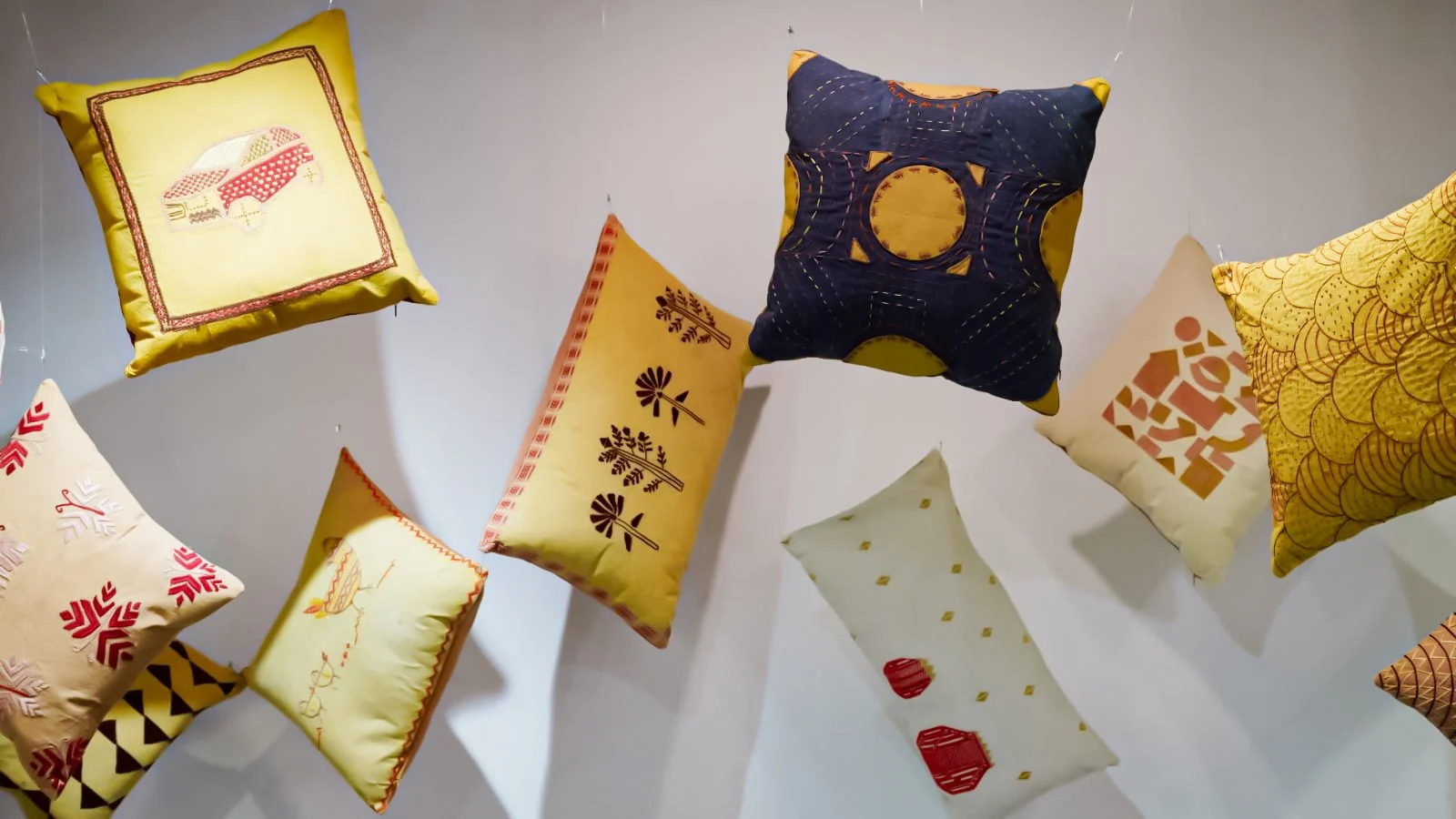
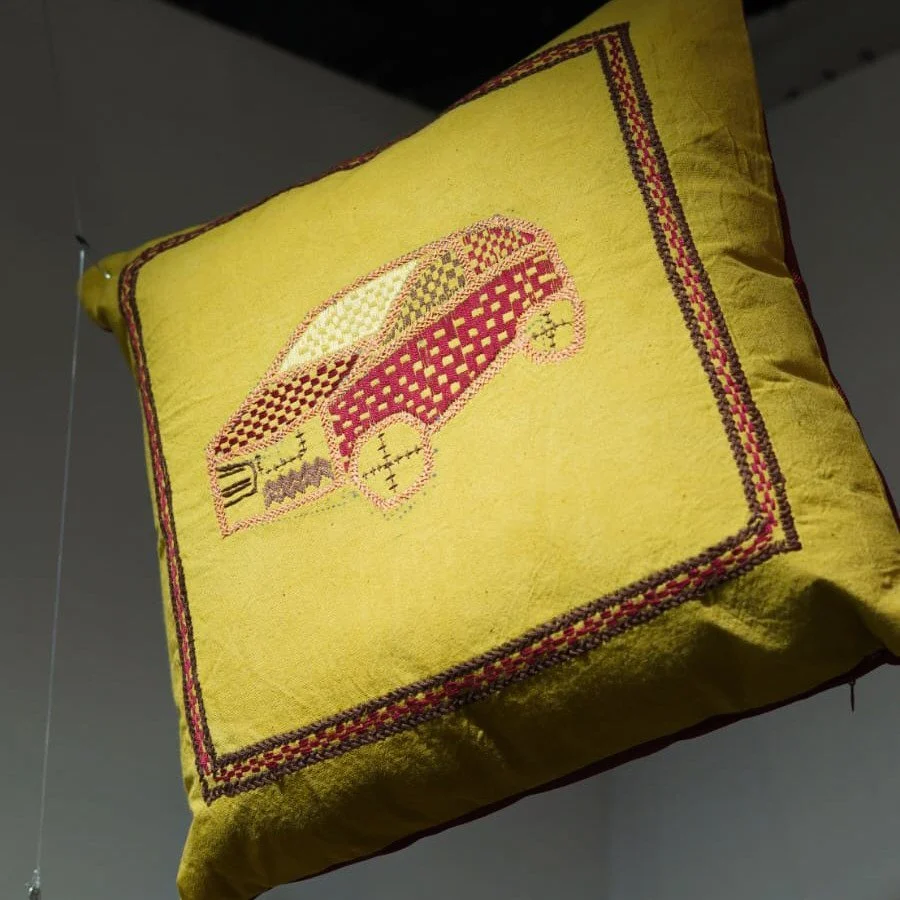
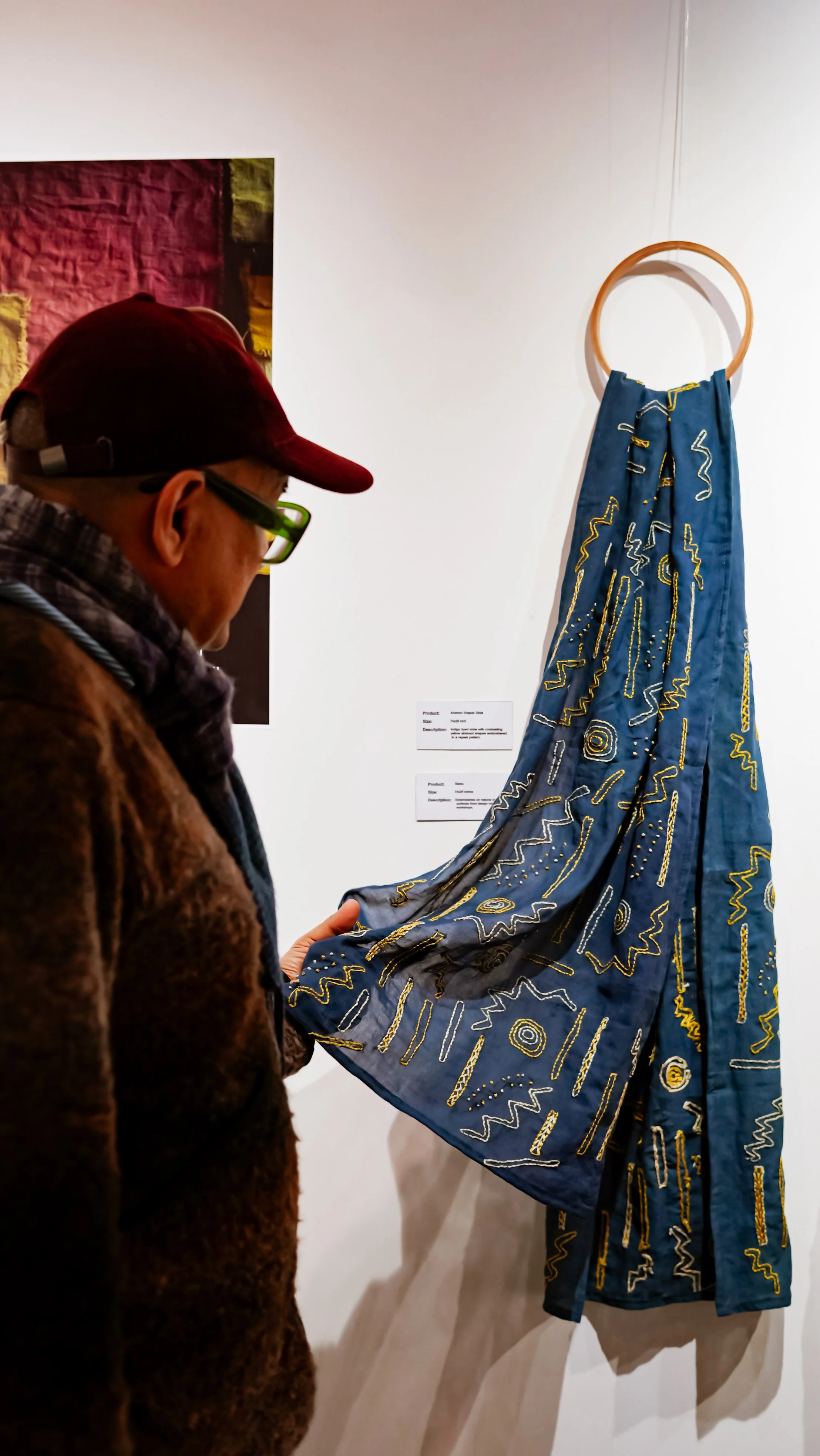
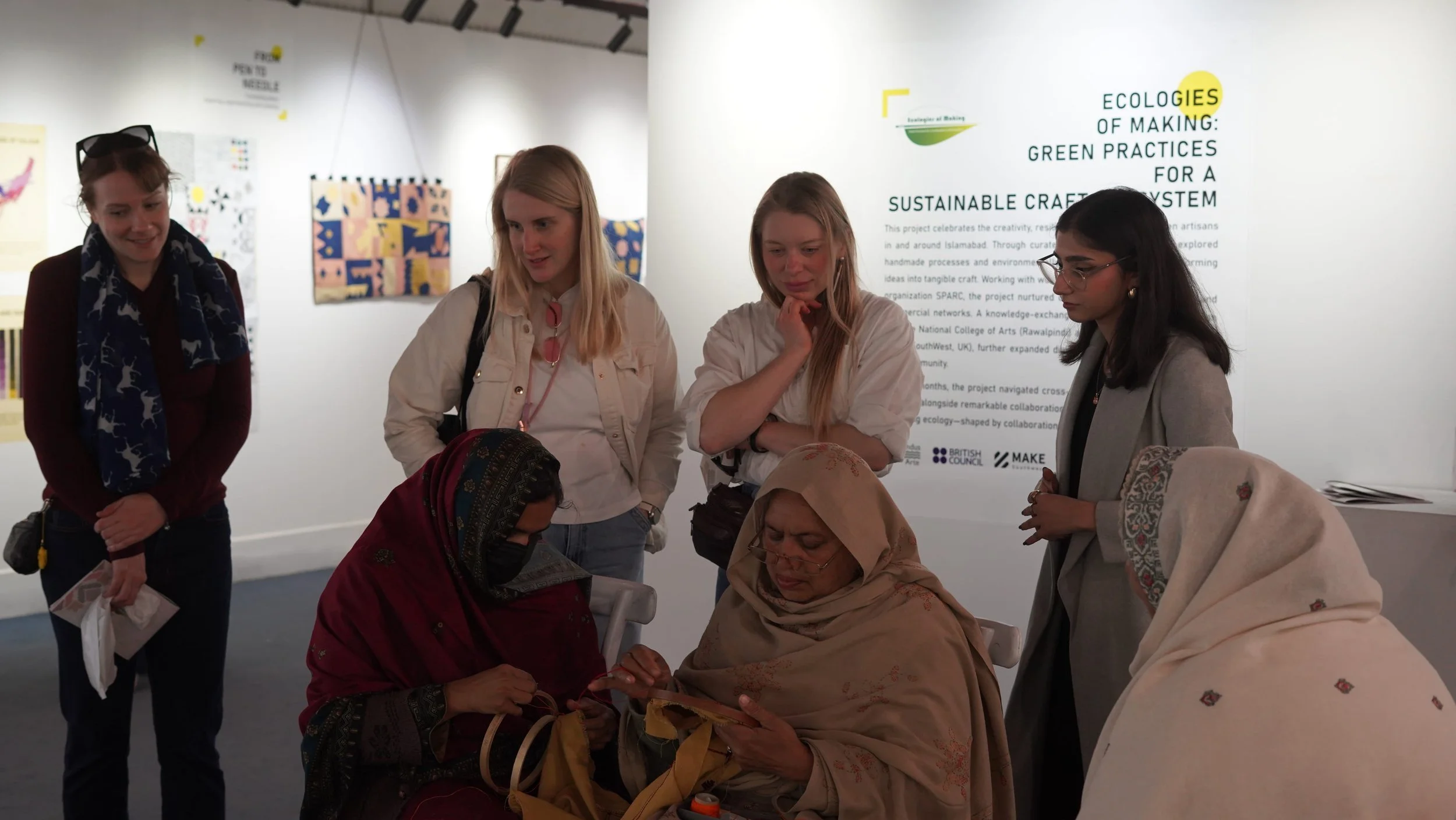
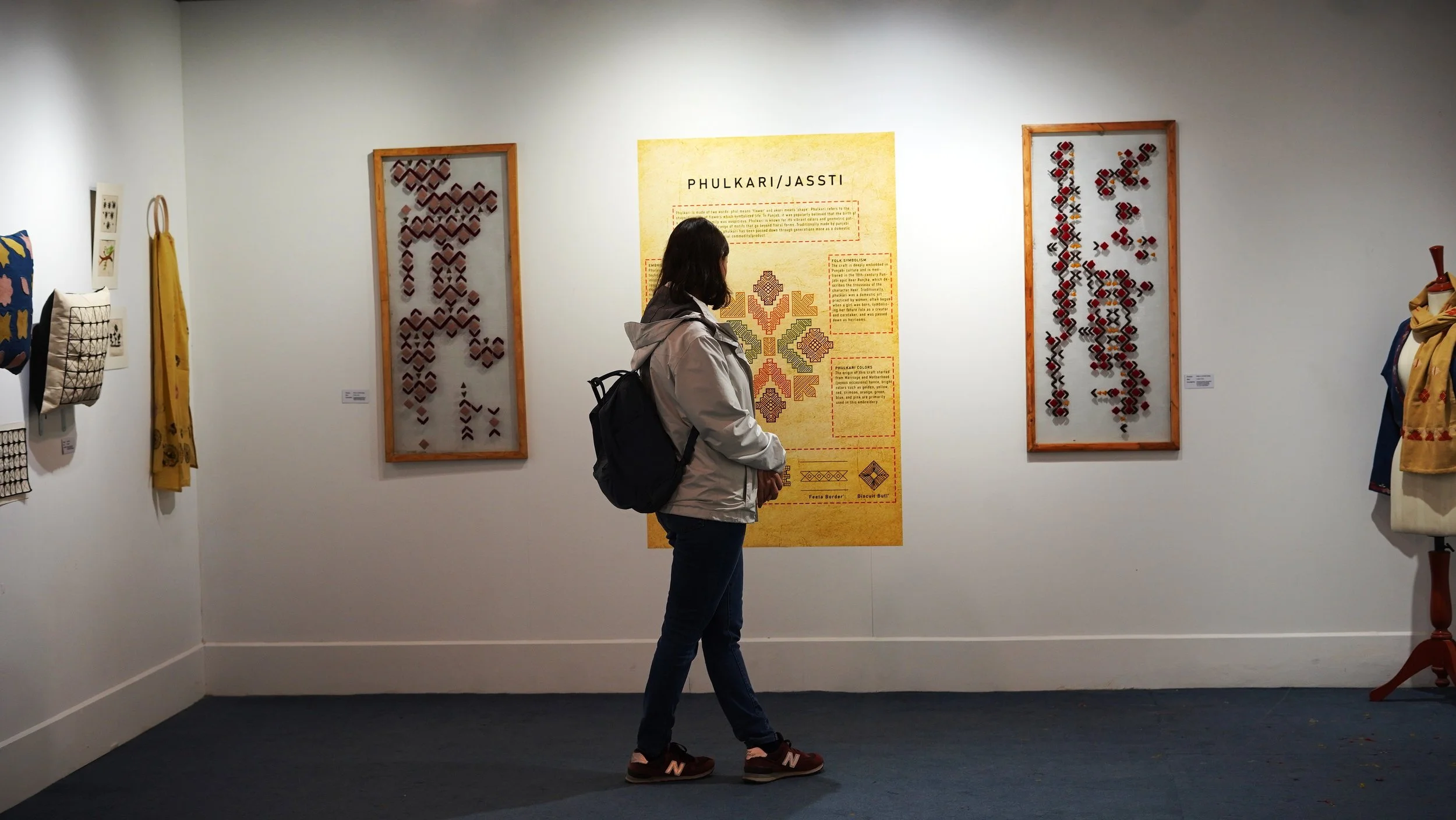
The project's outcomes culminated in a two-day exhibition at the Lok Virsa Art Gallery, Islamabad in January 2026. More than 30 artisan-made products were exhibited alongside educational materials and video toolkits documenting traditional Phulkari embroidery and natural dyeing techniques.
The exhibition attracted students, designers, craft practitioners, and development organisations. It celebrated the achievements of participating artisans while raising public awareness of sustainable craft practices and demonstrating the potential of handmade production within contemporary markets.
See photos from the exhibition below.
Extending the Impact Through Open Learning
To ensure that the project's impact extended beyond its workshops and exhibition, a series of educational video toolkits was produced and made freely available on Indus Arte's YouTube channel. Covering traditional Phulkari embroidery and natural dyeing techniques, these resources transform project research into accessible learning materials for artisans, students, and anyone interested in sustainable textile practices, regardless of location.
By making this knowledge openly available, the project contributes to preserving traditional skills while encouraging wider adoption of environmentally responsible craft practices.
Watch & learn +
Ecologies of Making: Green Practices for a Sustainable Craft Ecosystem is a project of Indus Arte, supported by the British Council Pakistan, in collaboration with Make SouthWest, UK and local partners.
#EOM2025 #Ecologiesofmaking
Lessons in Resilience and Community
Over the course of the six-month project, the team gained valuable insights into community engagement, sustainability, and resilience.
Implementation coincided with periods of heavy rainfall, urban flooding, and landslides, requiring continual adjustments to project schedules and logistics. Despite these challenges, facilitators and participating artisans demonstrated remarkable commitment, ensuring that workshops and project activities were successfully completed.
One of the project's most meaningful lessons emerged from its work with women artisans in Haripur. The team observed strong community-led support networks in which experienced artisans acted as intermediaries, connecting home-based women - many unable to travel because of childcare responsibilities or age - with livelihood opportunities. Built on trust, shared knowledge, and mutual economic benefit, these informal networks demonstrated the strength of women supporting women and highlighted the resilience embedded within local craft communities.
Ultimately, Ecologies of Making reaffirmed that investing in traditional crafts is about far more than preserving cultural heritage. It creates pathways for economic empowerment, promotes environmentally responsible design, strengthens local communities, and ensures that the knowledge embedded in handmade traditions continues to be passed on to future generations. Through knowledge exchange, mutual learning, and dialogue between artisans, designers, and communities, the project fostered a deeper appreciation of traditional craftsmanship while encouraging more environmentally conscious patterns of consumption. In doing so, it demonstrated how collaborative approaches can contribute to a more sustainable, inclusive, and resilient creative economy.